October 21, 2026
Hardwood floors can add warmth, character, and lasting value to a home. Before choosing this type of flooring, it is important to consider the room's conditions, the available materials, the installation process, and the maintenance required to keep the floors in good shape. Understanding these factors can help property owners make informed decisions and avoid common problems. This article covers the main things to know before installing hardwood floors, including material selection, preparation, installation timing, and long-term care.
Evaluating the Room and Its Conditions
The condition of a room can affect how well hardwood flooring performs over time. Temperature changes, moisture levels, sunlight, and the condition of the subfloor can all influence the flooring's appearance and stability. Evaluating these factors before installation can help identify concerns that need attention. Moisture is particularly important because wood naturally responds to changes in humidity. Excess moisture can cause boards to swell, while very dry conditions may cause them to shrink or develop gaps.
Rooms with plumbing fixtures or frequent moisture exposure may require additional consideration when selecting flooring materials. The existing floor must also be checked for damage, uneven areas, and other conditions that could affect the new installation. Addressing these concerns before work begins can help reduce the risk of movement, uneven surfaces, or other problems later. Seeking professional help from a flooring company can help determine whether the room is suitable for hardwood flooring and what preparation may be needed.
Comparing Available Flooring Materials
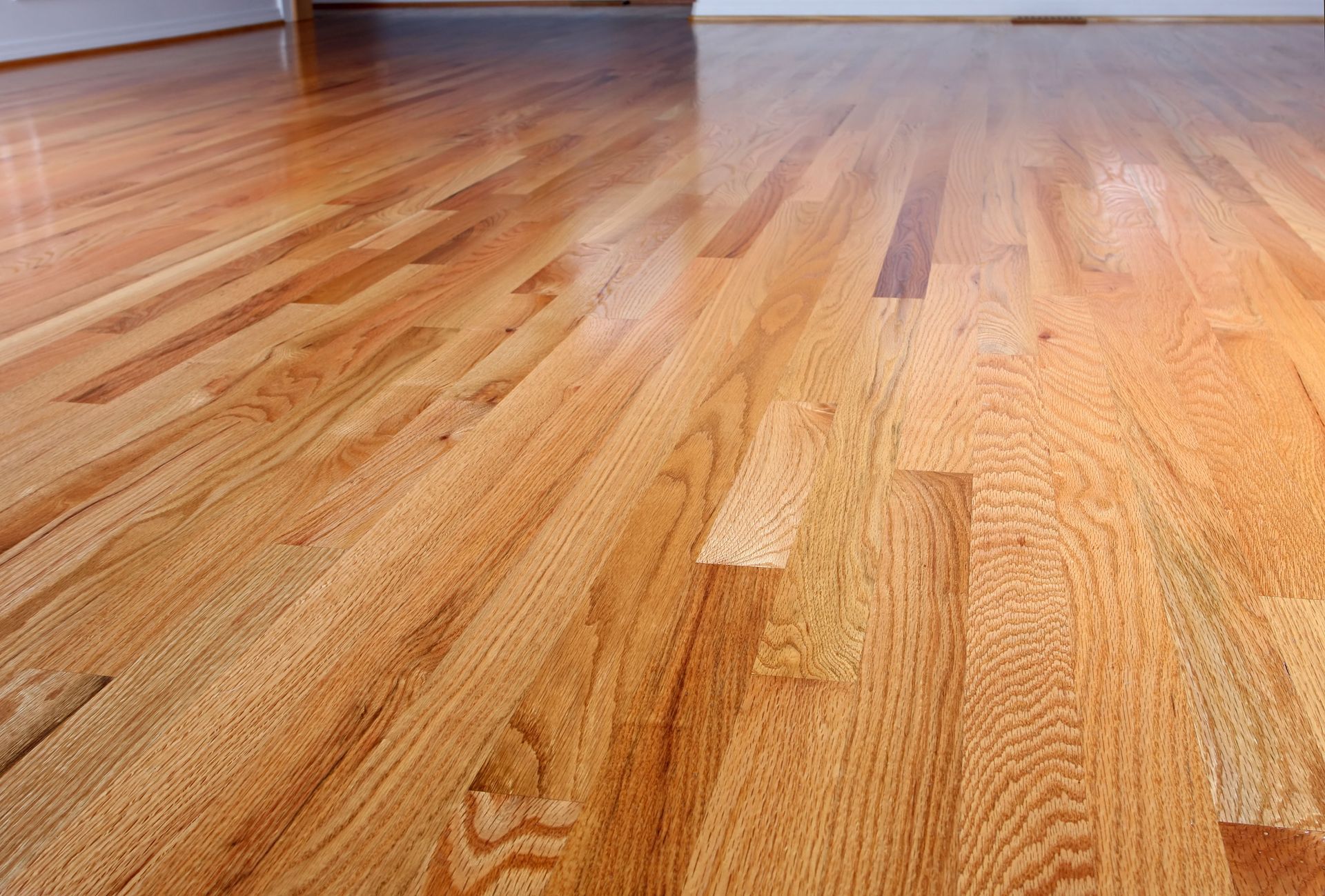
Hardwood flooring comes in different wood species, colors, grain patterns, and finishes. Each option creates a different appearance, so it is helpful to consider how the flooring will fit the room's overall design. Lighter finishes may create a more open appearance, while darker colors can add contrast and depth. Wood species also affect the floor's durability and appearance. Some types have a more pronounced grain pattern, while others offer a smoother, more uniform look. Differences in hardness can influence how well a floor handles everyday foot traffic, furniture movement, and other sources of wear.
The choice should reflect both appearance and practical needs. Busy households may benefit from flooring that can handle frequent use, while rooms with less activity may allow more flexibility in material selection. A flooring company can explain the differences between available options and help narrow the choices based on the property's conditions and intended use. It is also worth considering how the floor will look alongside existing cabinets, wall colors, furniture, and trim. Reviewing these elements together can help create a consistent appearance throughout the home.
Understanding Installation Requirements
Hardwood flooring installation involves more than placing boards across a room. The condition of the subfloor, the layout of the space, and the installation method all affect the final result. Proper planning can help prevent visible gaps, uneven transitions, and other issues that may affect the floor's appearance or performance. Subfloor preparation is an important part of the process. The surface generally needs to be clean, stable, and sufficiently level for the selected flooring. Any moisture concerns or structural problems should be addressed before installation begins. Skipping these steps can contribute to movement, noise, or damage after the floor is in place.
The layout also deserves attention. Board direction, room dimensions, doorways, and transitions between flooring types can influence how the finished floor looks and functions. Planning these details ahead of time can create a more consistent appearance and reduce complications during installation. A flooring company can assess the space, explain the preparation requirements, and help determine an appropriate installation approach. Understanding these requirements before scheduling the work can also help property owners plan around the time needed to complete the project.
Preparing for Changes in Temperature and Moisture
Wood responds naturally to its surrounding environment. Changes in temperature and humidity can cause hardwood boards to expand or contract, which may affect the floor's fit over time. Understanding these changes is important when planning an installation. Many hardwood flooring materials need time to adjust to the conditions inside a home before installation. This process, often called acclimation, allows the wood to respond to the room's temperature and humidity. The amount of time required depends on the material and the manufacturer's instructions.
Maintaining relatively stable indoor conditions can also support the floor's long-term performance. Large swings in humidity may increase the chance of gaps, swelling, or other changes in the boards. Heating, cooling, and ventilation can all influence the indoor environment. Moisture sources should be considered before installation, especially in rooms near kitchens, bathrooms, laundry areas, or exterior entrances. Taking these conditions into account can help determine whether hardwood is appropriate for a particular space and what precautions may be needed.
Planning for Daily Use and Maintenance
Hardwood floors require regular care to maintain their appearance. Dust, dirt, grit, and small particles can accumulate on the surface and contribute to scratches as people walk across the room. Establishing a consistent cleaning routine can help limit this wear. Furniture can also affect the condition of the floor. Heavy pieces may leave marks, while frequent movement can cause scratches or surface damage. Protective pads beneath furniture legs and suitable entry mats can help reduce these effects. Addressing spills promptly can also limit the risk of moisture-related damage.
Cleaning methods should match the flooring's finish and care instructions. Excess water and harsh products may damage hardwood surfaces. According to This Old House, hardwood flooring should be cleaned with a solution that's 10 parts water to one part white vinegar. Property owners should check the manufacturer's guidance before using this mixture. Regular maintenance helps preserve the floor's appearance, while seeking professional help can address significant scratches, finish wear, or other damage.
Considering Costs and Project Timing
The cost of installing hardwood floors depends on several factors, including the size of the area, the selected materials, the condition of the existing floor, and the amount of preparation required. Additional work may be necessary if the subfloor needs repairs or the existing flooring must be removed. It is helpful to consider the full project rather than focusing only on the price of the flooring material. Installation, trim, transitions, preparation, and related expenses can all affect the overall budget. Having a clear understanding of these costs can make it easier to compare options and plan accordingly.
Timing is another important consideration. The installation schedule may depend on material availability, preparation work, acclimation requirements, and the size of the space. The room may also need to remain clear while the work is underway and during any required finishing or curing period. Discussing these details with a flooring company before the project begins can help establish realistic expectations. Clear communication about costs, scheduling, and preparation can also make it easier to coordinate the work with other household plans.
Installing hardwood floors involves several decisions that can affect the finished appearance, durability, and long-term care of the space. Evaluating room conditions, comparing materials, preparing the subfloor, and planning for maintenance can help property owners select flooring that fits their needs. Considering the full project cost and schedule can also make the installation process easier to manage. Every space has different requirements, so the best choice depends on the property's conditions, daily use, and design preferences. Seeking professional help can provide useful guidance when comparing materials, addressing preparation concerns, and planning the installation. If you are considering hardwood floors for your home or property, contact All Flooring to speak with a flooring company about your options and the steps involved in preparing for a successful installation.