August 20, 2026
Selecting the ideal surface material requires careful consideration from property owners planning renovations. Homeowners face a significant decision when updating their living spaces with modern upgrades. Hardwood presents a classic aesthetic steeped in tradition, while luxury vinyl tile provides a modern alternative for diverse architectural styles. Both materials offer distinct advantages for residential properties across different climates and layouts. The ultimate choice impacts the overall ambiance, structural integrity, and daily functionality of the entire house.
Analyzing the specific attributes of each material helps guide this crucial design decision. Hardwood brings undeniable natural beauty and lasting prestige to residential spaces. Luxury vinyl tile mimics this organic appearance while offering unique structural benefits for active households. A thorough comparison of flooring options illuminates the best path forward for property upgrades. Buyers must weigh these vital elements against their specific lifestyle requirements, budget constraints, and long-term residency goals.
Evaluating Aesthetic Appeal and Design Options
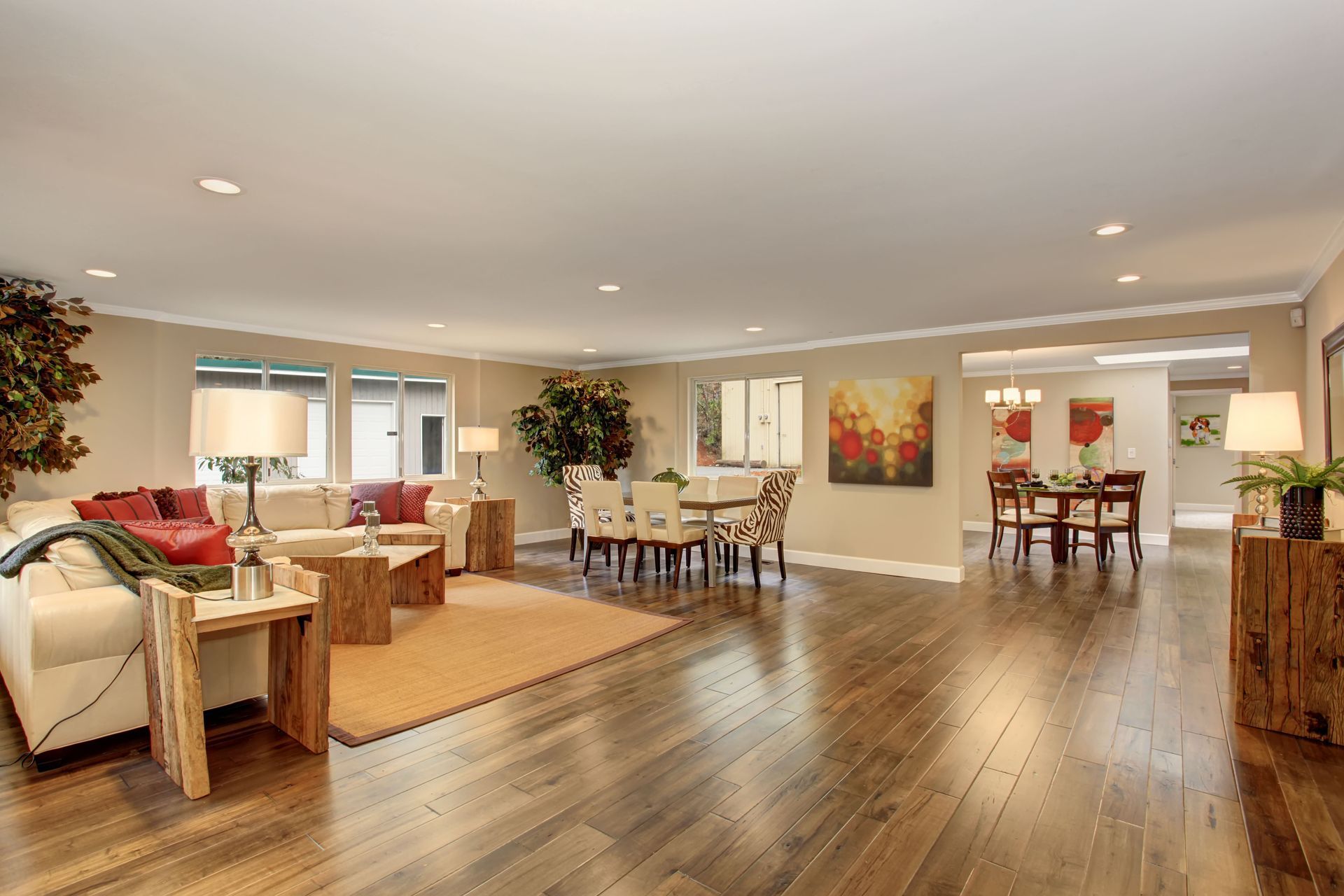
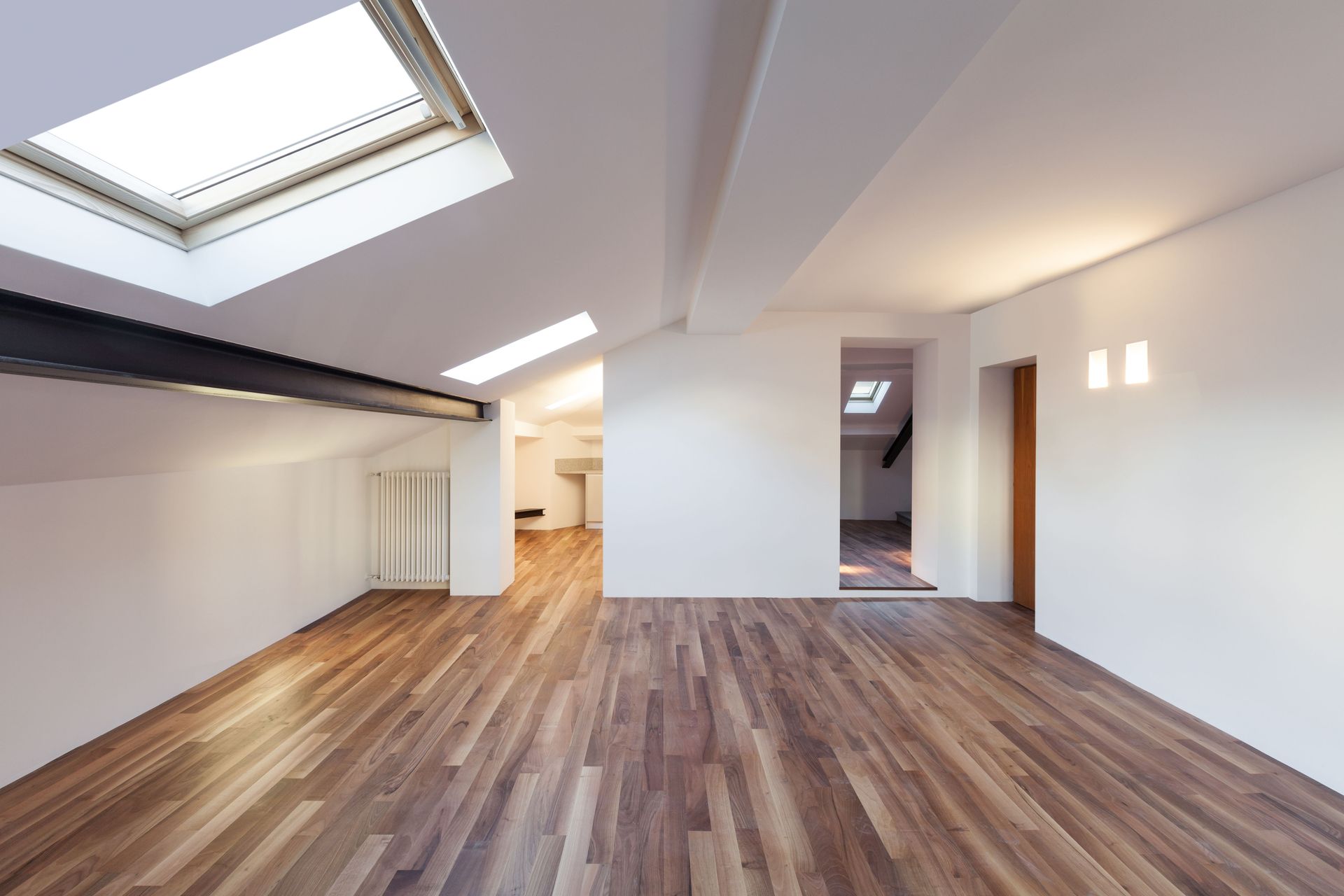
Hardwood materials present unmistakable elegance and warmth within any interior space. Natural wood grain variations create unique patterns across every individual board. Oak, maple, and walnut offer distinct hues and textures for high-end flooring. This natural variation ensures no room looks identical to another, adding character to the residence. The authentic appearance remains a gold standard for upscale interior design, appealing to those seeking timeless sophistication.
Luxury vinyl tile utilizes advanced photographic technology to replicate natural textures with remarkable precision. Manufacturers capture the exact look of various wood species, complete with simulated grain patterns and knot details. High-quality options feature embossed surfaces that match the printed image. This specialized texture creates a convincing illusion of real wood underfoot. Homeowners achieve the desired upscale aesthetic without utilizing actual natural timber resources.
The visual difference between these surface materials continues to narrow with modern manufacturing improvements. Premium synthetic products fool even experienced observers upon initial inspection. However, natural solid wood possesses a unique visual depth and distinct light reflection capabilities. The rich patina developed by organic wood over time adds irreplaceable character to the installation. Synthetic materials maintain a static, consistent appearance throughout their entire usable lifespan.
Color choices expand design possibilities for both material categories. Custom stains alter organic wood to match specific architectural palettes and interior themes. Synthetic options come in predetermined shades ranging from bleached coastal oak to dark ebony. Wide plank formats remain popular across both material types, creating expansive visual effects in modest rooms. The final decision often rests on preference for authentic aging versus permanent color consistency.
Assessing Durability Characteristics and Wear Resistance
The resilience of a surface dictates its suitability for active households with pets. Organic wood is susceptible to scratches, surface dents, and insidious moisture damage. Heavy furniture legs and animal claws leave permanent marks on natural timber surfaces. Accidental liquid spills cause severe board warping if left unaddressed by occupants. These inherent vulnerabilities require residents to exercise constant caution during routine daily activities.
Synthetic tile excels in resisting daily wear and tear within high-traffic zones. A clear protective wear layer shields the photographic design from superficial scratches and blunt impacts. This specialized synthetic composition repels standing water, making the material suitable for demanding kitchens and bathrooms. Dropped household objects rarely cause permanent structural damage to the planks. Such profound resilience makes the material ideal for households managing active children.
Environmental factors play a crucial role in overall material longevity and structural integrity. Organic wood expands and contracts with seasonal humidity fluctuations. Extreme climate changes cause unsightly gaps or severe buckling in natural boards. Synthetic alternatives maintain rigid structural stability regardless of shifting ambient environmental conditions. This unwavering stability expands placement options to below-grade areas like basements and unheated sunrooms.
Long-term performance metrics vary between these distinct options. According to Better Homes and Gardens, vinyl flooring lasts 10 to 20 years with proper installation and maintenance. Hardwood, conversely, endures for multiple generations when properly preserved. While synthetic planks eventually require complete replacement, solid wood withstands multiple professional refinishing processes. This regenerative sanding capability extends the functional lifespan of natural timber indefinitely.
Understanding Installation Methods and Maintenance Needs
The physical installation process differs between these distinct interior materials. Solid wood requires professional carpentry expertise, utilizing concealed nails or staples over a prepared wooden base layer. This labor-intensive flooring installation demands precise measurements, specialized pneumatic tools, and extensive site preparation. Mandatory acclimation periods are necessary before the organic wood is permanently secured to the foundation. The entire complex process disrupts typical household routines for several consecutive days.
Synthetic alternatives offer streamlined installation methods designed for maximum efficiency. Many modern products feature innovative click-and-lock mechanisms that snap together seamlessly over existing flat surfaces. This convenient floating method eliminates the messy requirement for volatile adhesives or heavy metal fasteners. Experienced individuals often complete the entire room setup without expensive professional assistance. The rapid assembly process minimizes inconvenient disruption to daily family life.
Routine maintenance protocols dictate the long-term preservation of the chosen surface. Organic wood demands specialized gentle cleaning products to preserve its delicate protective finish. Excessive standing water causes severe cellular damage and localized swelling during the routine mopping process. Restorative waxes and specialized chemical polishes return lost luster but require immense physical effort from residents. Homeowners must commit to stringent regular upkeep regimens to protect their substantial financial investment.
Synthetic materials dramatically simplify mundane daily maintenance tasks for busy residents. Standard sweeping and gentle damp mopping remove surface dirt without risking catastrophic moisture penetration. The robust protective wear layer resists stubborn chemical stains from accidental food or beverage spills. No specialized waxes, buffing machines, or complex polishing agents are necessary to maintain the original factory finish. This low-maintenance flooring appeals to working professionals seeking ultimate household convenience.
Comparing Financial Investments and Property Value
Initial capital costs represent a major determining factor in building material selection. Solid wood commands premium retail prices due to raw material scarcity, harvesting logistics, and complex milling processes. Exotic imported timber species elevate the baseline financial requirement compared to domestic oak. Professional labor adds a massive supplementary expense to the overarching project total. Prudent buyers must secure substantial budgets beforehand to afford this premium architectural upgrade.
Synthetic polymer planks present a budget-friendly alternative for cost-conscious consumers. The efficient factory manufacturing process allows for lower retail pricing structures per square foot. Reduced labor expenses associated with floating installations further decrease the total financial commitment for the renovation. Homeowners achieve a sophisticated, upscale interior look without exceeding strict financial constraints. This compelling affordability allows for expansive material updates across larger continuous areas of a residence.
Potential return on investment diverges when evaluating overall real estate property value. Solid hardwood represents a permanent structural asset that actively increases baseline house valuation. Prospective buyers perceive natural wood flooring as a desirable premium luxury feature. This strong market perception translates to higher final resale prices and faster property transactions. Local real estate markets consistently reward the enduring presence of authentic natural timber.
Synthetic tile options do not offer the same lucrative financial return. While visually attractive, they do not boost formal property appraisals. Future prospective buyers view synthetic planks as practical and functional rather than inherently luxurious. However, the immediate initial cash savings offset the distinct lack of increased future resale value. The final decision hinges on whether the core priority is immediate budget relief or future equity growth.
Property owners must analyze their specific household dynamics and financial parameters to determine the superior architectural option for their unique properties. When you are ready to update your residence, we at All Flooring invite you to schedule a consultation with our team. Let us help you discover the ideal flooring material for your specific budget and lifestyle.