February 18, 2026
The kitchen is often the heart of the home, brimming with activity and defined by its style. Selecting the right flooring for this busy space is key to achieving both aesthetic appeal and practical functionality. Kitchen floors must withstand spills, drops, and heavy foot traffic while complementing your overall design. This guide explores important considerations to help you choose a kitchen floor that is both functional and visually appealing.
Explore Kitchen Flooring Options
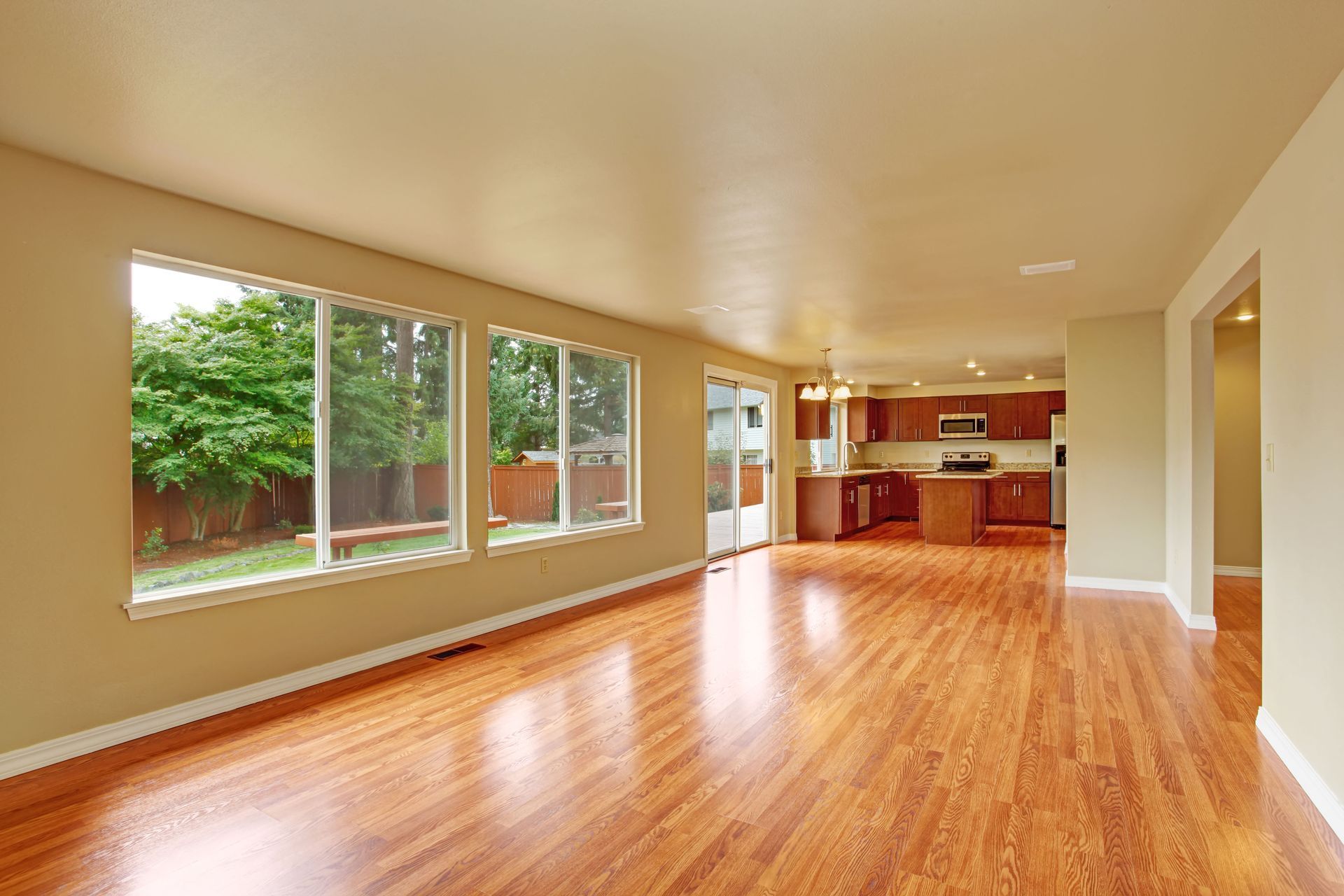
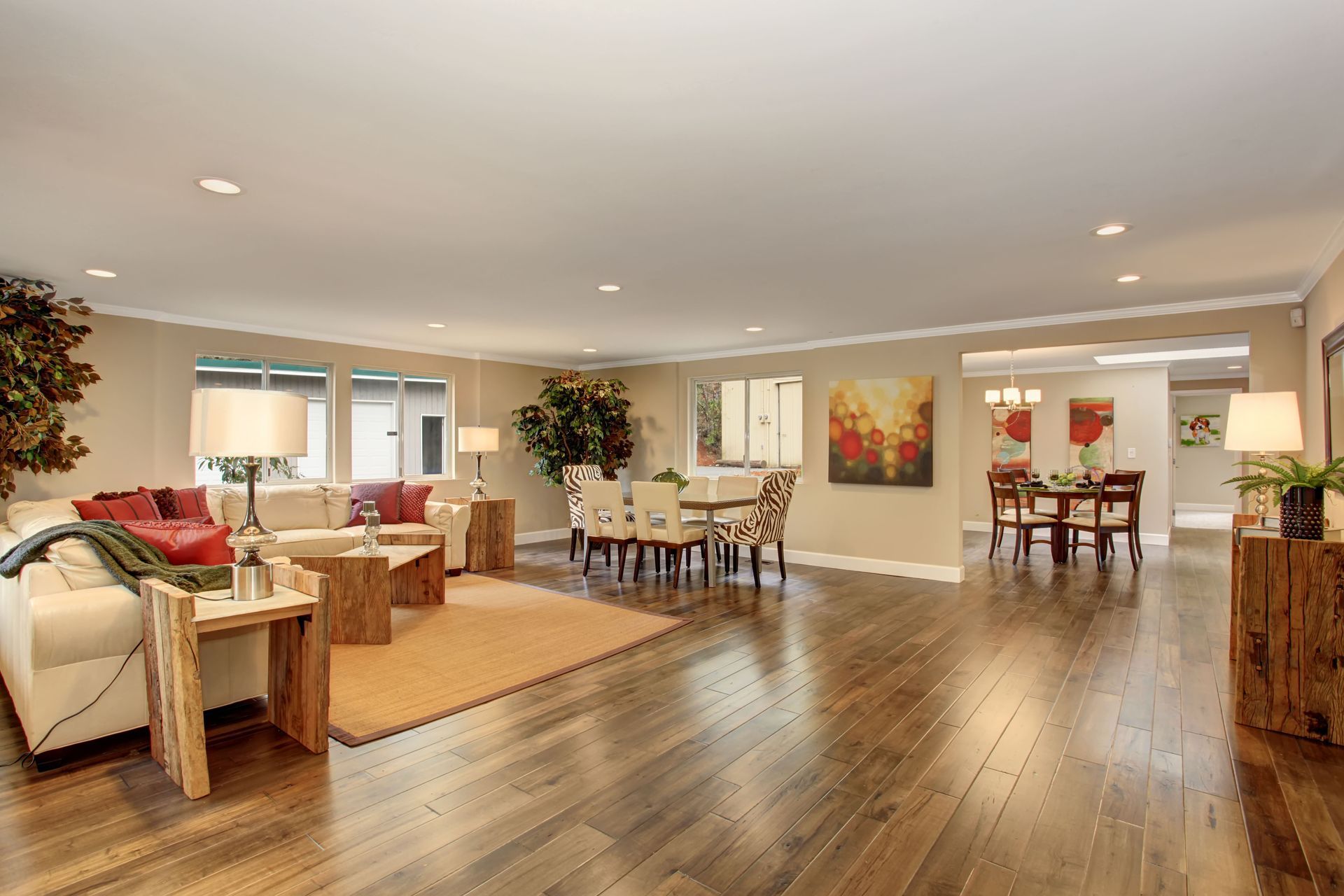
A variety of flooring materials are available, each offering distinct benefits and styles. Hardwood flooring is a classic choice, providing warmth and timeless appeal. It can be refinished multiple times and adds a natural, inviting look to the kitchen.
Hardwood also offers a sense of character and texture that can evolve with your home over time. Its natural grains and finishes create a welcoming atmosphere and complement many design themes, from traditional to modern. Thoughtful selection of wood species, stain colors, and plank widths can further personalize your space and reflect your style preferences.
Vinyl flooring, including luxury vinyl options, combines durability with versatile design, often mimicking the appearance of wood or stone. It is cost-effective, water-resistant, and comfortable underfoot. According to the 2025 US Houzz Kitchen Trends Study, vinyl or resilient flooring is now the most popular choice among 22% of homeowners.
Vinyl can accommodate a wide range of kitchen styles, from understated neutrals to bold patterns. Its flexibility allows homeowners to experiment with looks that might otherwise be impractical or costly, providing a balance of beauty and practicality that is well-suited for everyday life. This adaptability makes vinyl a practical option for kitchens with high traffic and frequent activity.
Tile flooring offers durability and a wide range of aesthetic possibilities with different shapes, colors, and finishes. Tiles are especially practical in kitchens, as they withstand moisture and can handle heavy daily use. They also offer versatility for placement in both small and large kitchens, allowing for creative patterns and arrangements.
Assess Durability and Maintenance
Kitchen floors must endure high traffic and daily wear. Materials like tile and hardwood withstand frequent use, while vinyl offers resilient surfaces that resist scratches and moisture. Choosing durable options helps ensure the floor continues to look good and function properly over time, even under heavy use.
Durability also includes the floor's ability to maintain its appearance over time. Regular cleaning and simple maintenance routines can help keep materials looking fresh, while floors that resist staining and scratching naturally stay more attractive with less effort. Observing how different materials respond to daily kitchen activities can inform a choice that aligns with your expectations and lifestyle needs.
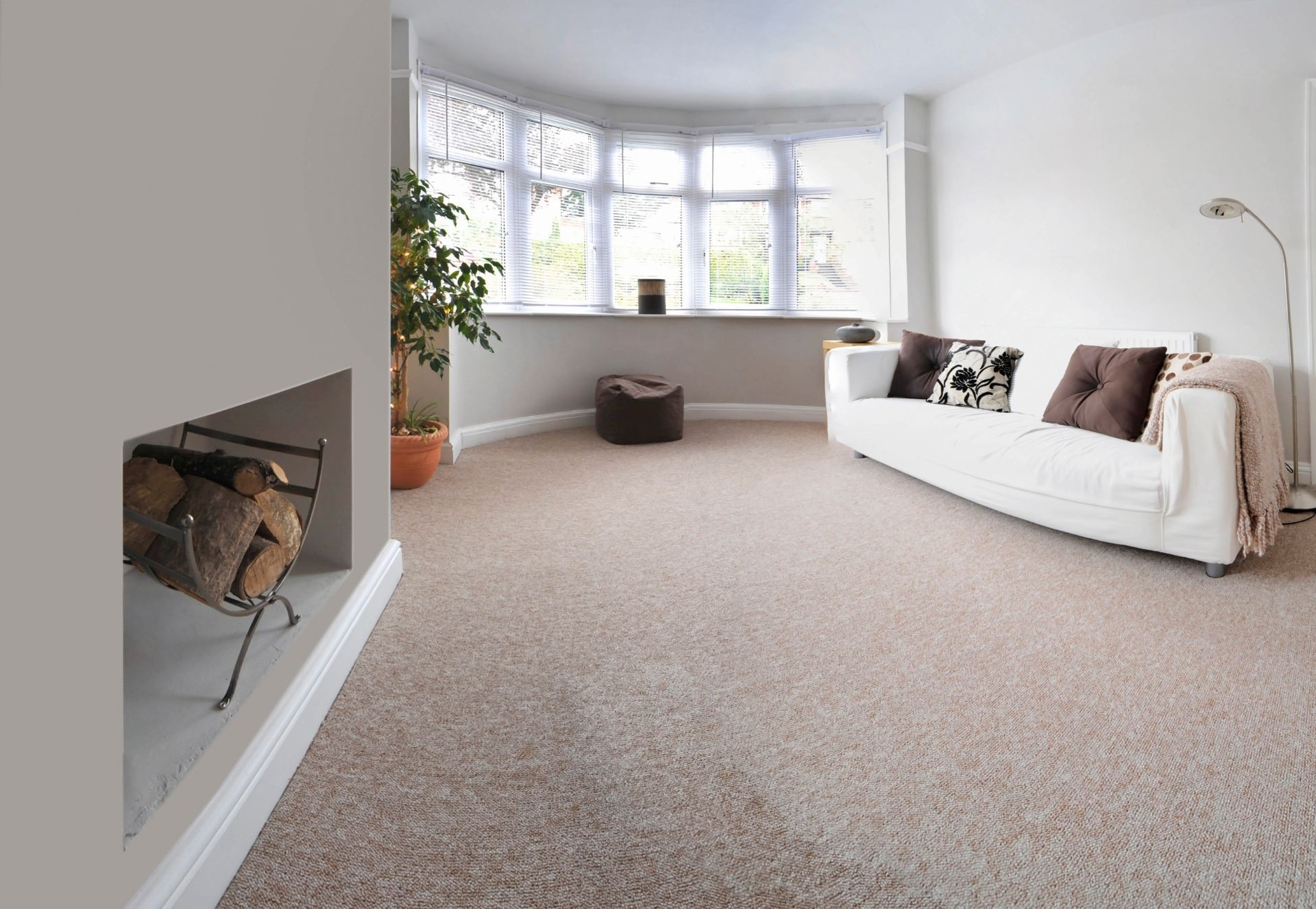
Ease of maintenance is another critical factor. Vinyl and tile require minimal upkeep, typically only regular sweeping and occasional mopping with mild cleaning solutions. Hardwood may need refinishing over time to maintain its appearance. Choosing a floor that balances durability and low-maintenance care ensures your kitchen remains both functional and attractive for years.
Additionally, maintenance routines can vary depending on the finish or texture of the flooring. Smooth surfaces may clean more quickly, while subtly textured options can help conceal minor marks or scuffs. Planning for how you will care for your floor supports long-term enjoyment and usability in a busy kitchen environment.
Enhance Style and Design
Kitchen flooring plays a significant role in shaping the room's design. Material, color, and texture choices contribute to a cohesive aesthetic. Hardwood and tile complement a variety of cabinetry styles and appliances, while vinyl offers flexibility to match modern or traditional decor. Each choice contributes to the overall look and feel of the space.
Flooring can also set the tone for the entire space, acting as a visual anchor that balances the kitchen's elements. The choice of finishes, patterns, and layouts can enhance the flow of the room and create a welcoming environment that reflects personal taste and style sensibilities. Selecting materials that harmonize with other design elements helps achieve a cohesive kitchen aesthetic.
Light-colored floors can make smaller kitchens feel more spacious and inviting, while darker floors provide warmth and grounding in larger spaces. Matte finishes convey a contemporary feel, whereas glossy tiles offer a sleek, polished look. Textured surfaces, such as wood grain or patterned tile, can add visual interest and functional slip resistance. Selecting a floor that aligns with your style preferences helps create a harmonious kitchen environment.
Considering how flooring interacts with lighting is also important. Natural light and artificial lighting can change the perception of colors and textures, influencing how a space feels throughout the day. Paying attention to these subtle effects can enhance both the practical and aesthetic aspects of your kitchen design.
Evaluate Cost and Budget
Financial considerations affect both the choice of materials and the overall cost of installation. Hardwood and tile often have higher upfront costs but provide long-term durability. Vinyl and laminate present cost-effective alternatives that still offer a high-quality appearance and practicality. Understanding the financial aspects helps homeowners make decisions that fit within their means while still achieving their design goals.
It is useful to consider not only initial expenses but also potential long-term benefits. Flooring that is easier to maintain, resists damage, and continues to look good over time can provide indirect savings and enhance the value of your home. Balancing immediate cost with ongoing upkeep helps guide a well-informed decision.
Installation considerations also impact expenses. Tile may require professional installation for proper placement, while vinyl can be installed more straightforwardly. Understanding both initial costs and long-term maintenance helps homeowners choose a floor that fits their financial plan without compromising quality.
Comparing the cost of materials alongside potential installation requirements allows for a more complete understanding of the total investment. Careful planning ensures that flooring decisions remain within budget while meeting both aesthetic and practical needs.
Consider Environmental and Health Factors
Selecting materials that are easy to clean and maintain contributes to a healthier home environment. Durable flooring options such as tile, vinyl, laminate, and hardwood allow for simple upkeep while withstanding daily wear. These choices support comfort, indoor cleanliness, and long-lasting performance, helping you maintain a functional and attractive kitchen space.
Properly maintained floors can help reduce dust and allergens, supporting a comfortable living environment. Regular cleaning routines and attention to spills or stains can enhance indoor air quality and help the kitchen feel fresh and inviting. Selecting materials that accommodate simple care contributes to overall home comfort.
Use Professional Installation
Hiring a professional to handle the installation ensures your flooring is correctly fitted and finished for lasting durability and visual appeal. Skilled installers manage precise layouts, subfloor preparation, and proper placement, resulting in a seamless, polished kitchen floor. Choosing professional installation maximizes both functionality and aesthetic satisfaction.
Additionally, professional installation can help address potential challenges before they become issues, such as uneven surfaces or awkward corners. Installers can provide guidance on finishing touches, transitions, and alignment, ensuring a cohesive and visually pleasing result. This approach allows homeowners to focus on enjoying their new kitchen floor while leaving the technical aspects to experienced hands.
Selecting the right kitchen flooring involves weighing factors such as material, durability, style, and cost. By considering the range of options and how they fit your household needs, you can choose a floor that enhances your kitchen's appearance while handling daily activity with ease. Whether you are drawn to the warmth of hardwood, the versatility of vinyl, or the lasting strength of tile, thoughtful choices lead to a floor that complements your space beautifully. Homeowners looking for guidance and expert installation can learn more from All Flooring and discover our solutions for a kitchen floor that is both functional and stylish.